
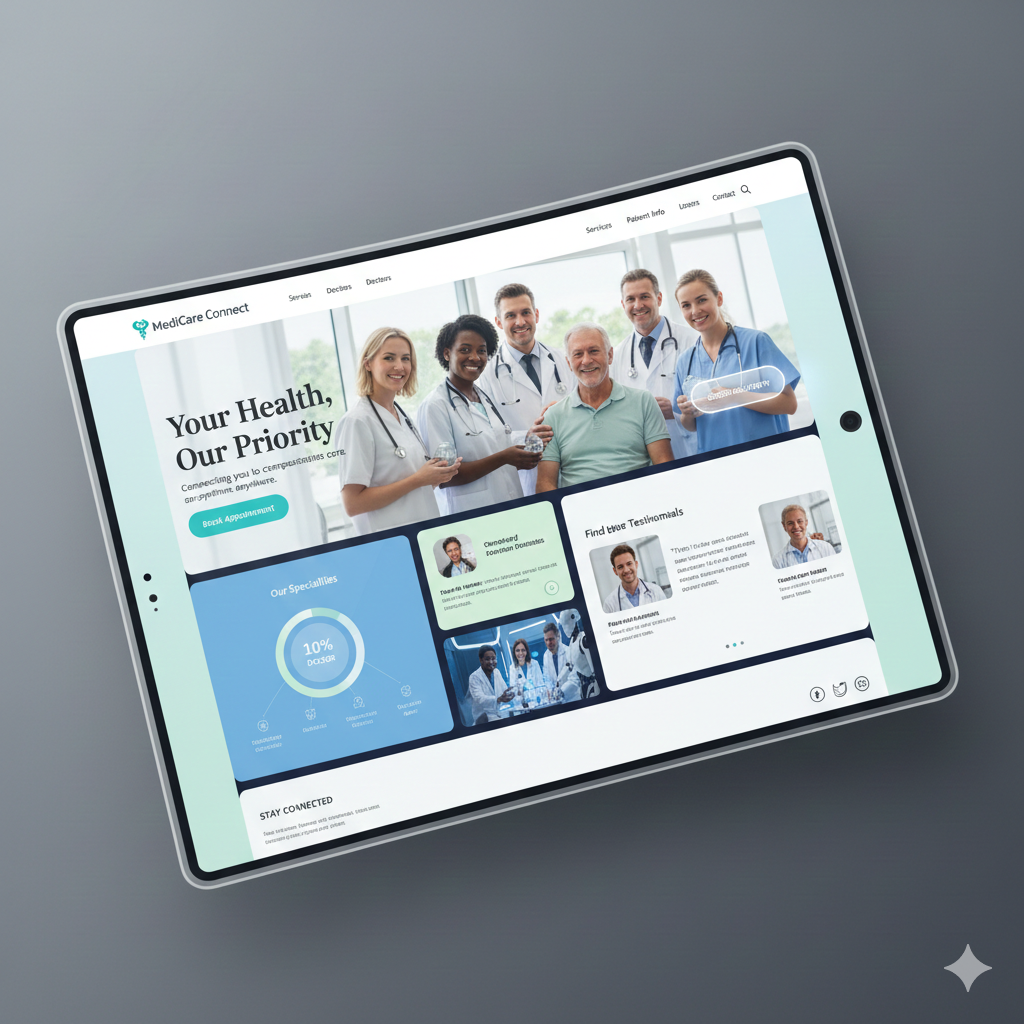
Healthcare Website Redesign: 7 Lessons for Better UX
In today’s increasingly digital healthcare environment, a strong online presence is no longer optional—it’s essential. A modern, intuitive website plays a critical role in how patients access information, connect with providers, and manage their care.
That’s why the recent recognition of the UHS Digital Team is more than just an award win—it’s a powerful example of what an effective healthcare website redesign and strategic medical website redesign can achieve.
The UHS Digital Team earned a prestigious Silver Award in the “Websites – Health & Human Services” category at the 20th annual Horizon Interactive Awards, a global competition honoring excellence in interactive media. Their winning project—the redesign of healthlinknow.com—stood out among thousands of entries, highlighting the growing importance of user-centered digital experiences in healthcare.
Much like a nonprofit website redesign, a successful healthcare website must balance clarity, trust, accessibility, and user experience to guide visitors toward the right action.
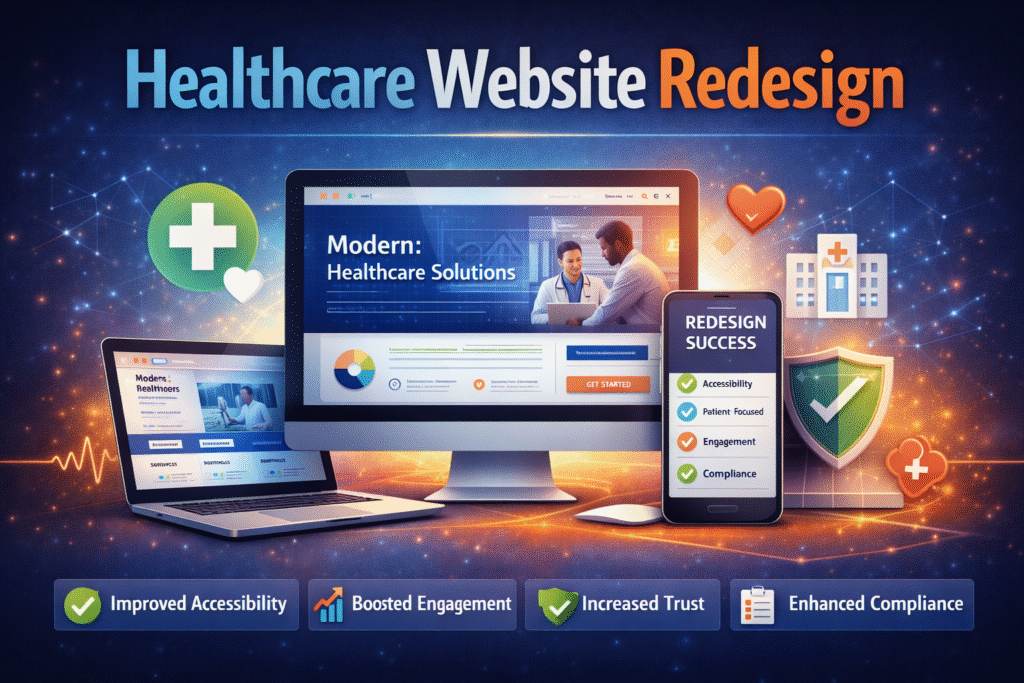
Why Healthcare Website Redesign Matters More Than Ever
A healthcare website is often the first point of contact between a patient and a provider. Whether someone is seeking urgent care, scheduling a virtual visit, or researching symptoms, the website experience directly influences trust, engagement, and patient outcomes.
A successful healthcare website redesign—or broader medical website redesign strategy—focuses on more than visual appeal. It prioritizes usability, accessibility, and patient-centered functionality.
Key elements include:
- Accessibility and compliance with healthcare standards
- Clear, intuitive navigation
- Mobile responsiveness for patients on the go
- Secure and user-friendly interactions
In healthcare, poor digital experiences don’t just frustrate users—they can prevent patients from getting the care they need. These same UX principles also apply to personal branding websites, where trust and clarity shape first impressions.
What Set the UHS Medical Website Redesign Apart
The Horizon Interactive Awards judges evaluate projects based on innovation, usability, and effectiveness. The UHS Digital Team’s redesign of healthlinknow.com delivered exceptional results in all three areas.
A Seamless Patient User Experience
Patients visiting the platform can quickly:
- Understand available services
- Access virtual care options
- Navigate complex healthcare information with ease
This streamlined experience reflects the impact of a thoughtfully executed healthcare website redesign that prioritizes patient needs and clear digital journeys.
Accessibility and Inclusive Design
Healthcare websites must serve diverse patient populations. The redesigned platform emphasizes inclusive design principles such as:
- Readable typography
- Clear color contrast and layout
- Simplified medical language
Accessibility-focused design ensures users of all abilities can confidently engage with healthcare resources. This is also a key consideration in nonprofit website redesign, where inclusive design helps organizations better serve their communities.
Clear Communication in a Complex Industry
Healthcare information can often feel overwhelming. Through thoughtful structure and content hierarchy, the redesigned platform helps:
- Reduce confusion for patients
- Improve understanding of healthcare services
- Build confidence in digital healthcare platforms
This approach demonstrates how strategic medical website redesign can improve patient comprehension and engagement.
Why Award-Winning Healthcare Websites Focus on Strategy
The success of healthlinknow.com shows that effective redesign projects succeed when they are rooted in strategy—not aesthetics alone.
A strategic healthcare website redesign aligns digital experiences with broader organizational goals, such as:
- Improving patient engagement
- Supporting telehealth adoption
- Reducing administrative friction
- Strengthening brand credibility
The UHS Digital Team didn’t simply refresh the visual design—they enhanced how patients interact with healthcare services in a digital environment. Similar strategic thinking is what makes both nonprofit website redesign and personal branding websites more effective online.
Key Elements of a Successful Healthcare Website Redesign
Organizations looking to replicate this success should focus on the following principles when planning a healthcare or medical website redesign.
1. User-Centered Design
Every design decision should begin with patient needs. Intuitive navigation, clear calls-to-action, and accessible information help patients find answers quickly and easily.
2. Mobile-First Performance
Many patients access healthcare websites through mobile devices. A fast-loading, responsive platform is essential for delivering a positive user experience.
3. Security and Trust
Healthcare websites must communicate safety and professionalism. Clean design, transparent messaging, and secure digital interactions all contribute to building patient trust.
4. Scalability for the Future
A modern healthcare website redesign should support future growth, new services, and evolving patient expectations without requiring constant rebuilds.
These same principles can also be seen in strong personal branding websites, where usability and messaging are key to long-term digital growth.
The Broader Impact of Healthcare Website Redesign
The UHS Digital Team’s recognition highlights a larger industry trend: healthcare organizations that invest in strong digital experiences see measurable benefits.
A well-executed medical website redesign can:
- Increase patient engagement
- Improve appointment booking conversion rates
- Support telehealth expansion
- Strengthen healthcare brand authority
In an industry where clarity and trust are essential, digital design plays a pivotal role in how patients interact with healthcare providers. The same is true for nonprofit website redesign, where effective UX can improve donations, volunteer engagement, and trust.
Setting the Standard for Digital Healthcare Excellence
The Silver Award win serves as a blueprint for healthcare organizations nationwide. It demonstrates that when strategy, usability, and design come together, the result is more than just a website—it’s a better patient experience.
The UHS Digital Team’s achievement shows how a thoughtful healthcare website redesign can elevate care delivery and set new standards for digital healthcare innovation.
Frequently Asked Questions About Healthcare Website Redesign
What is a healthcare website redesign?
A healthcare website redesign is the process of updating a medical organization’s website to improve usability, accessibility, performance, and patient engagement while meeting healthcare compliance and digital standards.
What is a medical website redesign?
A medical website redesign involves improving a healthcare provider’s website to enhance user experience, accessibility, security, and digital performance while supporting patient needs and healthcare services.
Why is healthcare website redesign important?
Healthcare website redesign is important because patients increasingly rely on digital platforms to access care, research symptoms, and communicate with providers. A poorly designed website can negatively impact patient trust and engagement.
What features should a medical website redesign include?
Key features include:
- Mobile responsiveness
- Accessibility compliance
- Clear navigation
- Secure patient interactions
- Patient-centered content
How often should healthcare websites be redesigned?
Most healthcare organizations benefit from redesigning their websites every 3–5 years to keep up with technological changes, patient expectations, and evolving healthcare regulations.
Can a healthcare website redesign improve patient engagement?
Yes. A well-planned healthcare website redesign improves clarity, usability, and trust, leading to higher patient engagement and better overall digital healthcare experiences.
Ready to Elevate Your Healthcare Website Experience?
An effective healthcare website redesign goes far beyond modern visuals—it improves accessibility, strengthens patient trust, and creates digital experiences that support better healthcare outcomes.
If your current website feels outdated, difficult to navigate, or unable to meet patient expectations, it may be time for a strategic redesign.
If you’re also exploring how user experience impacts other industries, reviewing a nonprofit website redesign or studying Horizon Interactive Awards can offer additional insight into what makes modern websites effective.
Partner with experts who understand patient journeys, healthcare accessibility standards, and modern medical website redesign strategies.
Planning a healthcare website redesign?
Contact us today to create a healthcare website that informs, engages, and delivers real results—just like award-winning platforms.